


“Who am I – and what drives me?” This question sounds philosophical, but it is highly economic. Because how we see human beings determines how we organize the economy. Here are the 3½ most important human worldviews in economics – and why they reveal more about ideologies than about us.
1. Homo Oeconomicus: Mister Self-Interest
He is the classic: rational, calculating, egoistic. The Homo Oeconomicus thinks in numbers and advantages. He wants more for himself – (almost) always. In short: Mister Self-Interest.
The 19th century invented him – as the mascot of the property-owning bourgeoisie. And he remained because he fits capitalism perfectly: if humans are egoistic, the system may be as well.
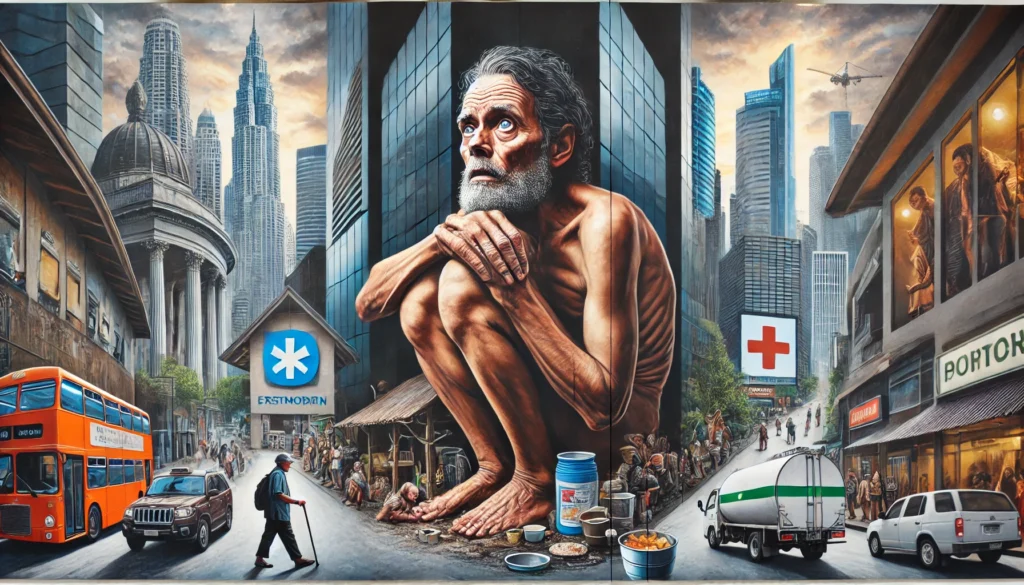
Sure, we all have a bit of ego – it lies deep in our genes. In the Stone Age it was about survival, today it is about market share. But we now live in a world that needs cooperation instead of competition.
Conclusion: This image was useful a few centuries ago – but it is long outdated.
2. Homo Sustensis: the meaning-seeker
The Homo Sustensis wants more than money: meaning, sustainability, community. He thinks socially, lives mindfully, strives for balance instead of bonuses.
Idealistic? Yes. But perhaps more realistic than we think – because the number of people who value meaning over status is growing.
3. Homo Reciprocans: the fair player
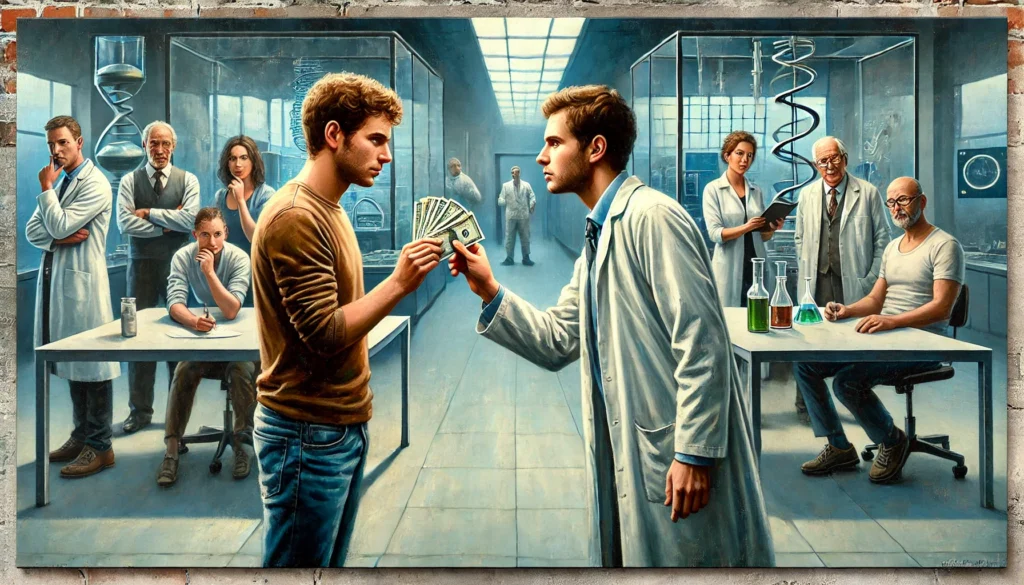
The Homo Reciprocans believes in fairness. He acts justly – as long as others do, too. Fouls are punished with purchase boycotts – even if that makes life more expensive.
The Homo Reciprocans thinks and lives cooperation not as an exception, but as the rule. Only: this requires a system that makes free-riding unattractive and rewards solidarity.
4. Homo Relationalis: the relationship-human
The Homo Relationalis is not a lone fighter, but a mirror of his environment. Friends, colleagues, culture – they shape his values.
And culture emerges from economy. Or, with Marx: Being shapes consciousness.
5. Homo Varius: the realistic model
None of these images fits completely. The egoist is too narrow, the idealist too utopian, the fair one too rigid, the relationship-human too flexible. Therefore we need version 5.0: the Homo Varius.
He unites reason and empathy, individuality and community. He knows: his happiness does not depend on having, but on how he… Well, you will learn the details in the article about him. [Link]
- The Homo Oeconomicus is a distorted image – useful for markets, harmful for people
- A small amount of egoism is in all of us – but it must not be the basis of system design.
- New human worldviews show: We are more cooperative than classical economics wants us to believe.
© The Economics Coach 2026 (Cover photo: sruilk/Deposit)


Leave a Reply